
Teeth Whitening
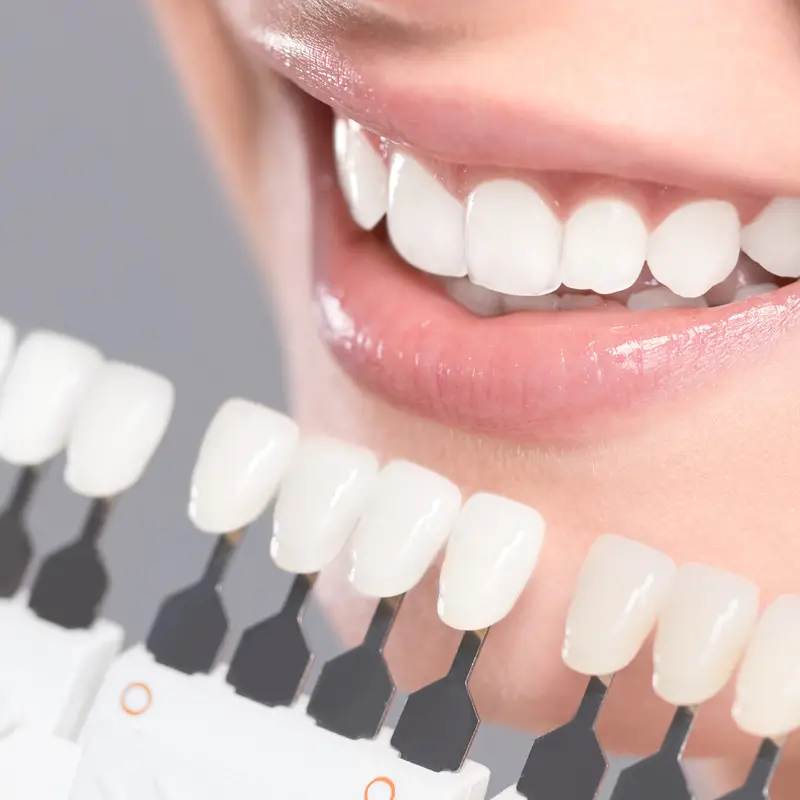
What Are Some Causes of Tooth Staining?
Tooth discoloration can occur due to various factors, both extrinsic (external) and intrinsic (internal). Understanding these causes can help in preventing and addressing tooth discoloration effectively.
Extrinsic causes may include things such as:
- Foods and Beverages: Consumption of certain foods and beverages can stain the outer layer of the teeth (enamel). Examples include coffee, tea, red wine, berries, tomato sauce, and highly pigmented foods.
- Tobacco Use: Smoking or using tobacco products can lead to yellow or brown stains on teeth over time.
- Poor Oral Hygiene: Inadequate brushing and flossing can result in the build-up of plaque and tartar on teeth, leading to surface stains and discoloration.
- Improper Dental Care: Certain dental procedures or products, if not used correctly, can contribute to tooth discoloration. For example, excessive use of abrasive toothpaste.
Intrinsic causes may include things such as:
- Genetics: Some individuals may have naturally darker or more yellowish teeth due to genetic factors.
- Aging: As people age, the enamel on the teeth naturally wears down, revealing the underlying dentin, which is yellowish in color. Additionally, the accumulation of stains over time can contribute to age-elated discoloration.
- Medications: Certain medications, such as tetracycline antibiotics (taken during childhood while the teeth are forming), antihistamines, and certain high blood pressure medications, can cause intrinsic staining and discoloration of teeth.
- Trauma: Trauma to the teeth, such as fall or injury, can disrupt enamel formation in developing teeth and cause internal bleeding leading to discoloration.
- Dental Fluorosis: Excessive intake of fluoride during the development of teeth (typically during childhood) can result in dental fluorosis, characterized by white or brown spots on the affected teeth.
- Medical Conditions: Certain medical conditions or treatments, such as chemotherapy or radiation therapy, can affect tooth development or cause tooth discoloration as a side effect.
Discoloration Following Endodontic Treatment:
This type of discoloration is known as internal tooth discoloration and can occur due to various reasons. This type of discoloration may be addressed by internal bleaching techniques.
- Pulpal Necrosis: In some cases, endodontic treatment (root canal therapy) may be necessary to save a tooth with an infected or necrotic pulp. After the pulp (the innermost layer of the tooth containing the blood vessels) is removed and the root canal system is cleaned and sealed, the tooth may appear darker over time due to loss of vitality.
- Blood and Tissue Breakdown Products: During endodontic treatment, breakdown products from blood and tissues within the tooth can leach into the dentinal tubules, causing intrinsic discoloration.
- Restorative Materials: Certain materials used in root canal therapy, such as sealers and root canal filling materials may contribute to tooth discoloration over time.
Internal bleaching for endodontically treated teeth:
Internal bleaching is generally a safe and effective procedure when performed by a qualified dental professional. However, it’s essential to consider factors such as the integrity of the tooth structure, the presence of any cracks or fractures, and the patient’s overall health before proceeding with the bleaching process.
Patients should also be informed of the potential risks and limitations of internal bleaching, including temporary sensitivity or gingival irritation, and the need for proper post-treatment care to maintain the results. Regular dental check-ups and professional cleanings are essential for monitoring the long-term success of internal bleaching and ensuring the overall health of the treated tooth.
Here’s how it works:
- Assessment: Before proceeding with internal tooth bleaching, the dentist will assess the cause and extent of the discoloration, as well as the overall condition of the tooth and surrounding tissues.
- Access Preparation: The dentist will create a small access opening in the back of the tooth, usually through the existing crown or filling, to gain access to the pulp chamber.
- Placement of Bleaching Agent: A bleaching agent, typically a hydrogen-peroxide- based gel, is placed inside the pulp chamber and sealed with a temporary filling material. The bleaching agent is left in contact with the discolored dentin for a specified period, usually a week or two.
- Monitoring: During the bleaching process, the dentist will monitor the progress of the tooth bleaching and assess the color change. Additional appointments may be scheduled as necessary to achieve the desired result.
- Final Restoration: Once the desired level of whitening is achieved, the access opening is sealed with a permanent filling material or new restoration, such as a composite filling or crown, to prevent bacterial recontamination and restore the tooth’s structure and function.
Take Home Whitening Trays:
Take-home whitening trays with Opalescence Gel offer a convenient and effective way to achieve a brighter smile in the comfort of your own home, with personalized guidance and support from Dr. Van Winkle or Dr. Homayoon.
Here is How it Works:
- Consultation and Impression:
You will consult with Dr. Van Winkle or Dr. Homayoon to determine if take-home whitening trays are suitable for you. If deemed appropriate, they will take impressions of your teeth to create custom fit trays.
- Tray Fabrication:
Using the impressions Dr. Homayoon or Dr. Van Winkle fabricate soft and comfortable trays that fir snugly to your teeth. These trays are custom-made to ensure optimal contact between the whitening gel and your teeth.
- Opalescence Whitening Gel:
You will be provided with Opalescence Whitening gel, which contains carbamide peroxide as the active ingredient. The gel comes in various strengths, and your dentist will recommend the proper concentration based on your needs and sensitivity level.
- Instructions for Use:
Dr. Homayoon or Dr. Van Winkle will provide detailed instructions on how to use the whitening trays and Opalescence Gel at home. This typically involves applying a small amount of gel into each tooth compartment of the tray then wearing the trays for a specified amount of time each day.
- Wearing Schedule:
Patients typically wear the whitening trays for a few hours each day or overnight, depending on the concentration of the whitening gel and the sensitivity of their teeth. The wearing schedule can vary but is often recommended 1-2 hours per day or overnight for 1 to 2 weeks.
- Frequency of Touch-Ups:
Touch up treatments may be advised periodically to maintain the desired level of whitening. The frequency of touch up varies depending on individual factors such as diet, oral hygiene habits and the natural color of the teeth. Dr. Homayoon or Dr. Van Winkle will provide you with guidance on how often you should perform touch-ups.
- Monitoring Progress:
Throughout the whitening process, we may schedule follow up appointments to monitor your progress, address any concerns or sensitivity, and ensure that you are achieving the desired results safely and effectively.
- Post-Treatment Care:
After completing the whitening treatment, Dr. Van Winkle or Dr. Homayoon may recommend desensitizing toothpaste, maintaining good oral hygiene practices and avoiding foods and beverages that may stain your teeth.
FAQ’s Take-Home Whitening:
How does Opalescence Take Home Whitening work?
Opalescence Take home whitening uses custom trays that fit over your teeth. These trays are filled with whitening gel that contains carbamide peroxide, which breaks down stains and whitens teeth.
How long does it take to see results with Opalescence Take Home Whitening?
Results vary depending on the concentrations of the whitening gel and the individual’s teeth. Some patients may begin to see results after a few days of consistent use, while others may take longer. Typically, noticeable results within 1-2 weeks.
How often should I wear whitening trays?
Dr. Homayoon or Dr. Van Winkle will provide you with specific instructions on how often you should wear the trays based on the concentration of gel and your sensitivity level. Typically, trays are worn 1-2 hours per day or overnight 1-2 weeks.
Is Opalescence Take Home Whitening safe?
Yes, Opalescence Take home whitening is safe when used as directed by your dentist. The whitening gel contains carbamide peroxide, which has been extensively studied and is widely used in professional whitening treatments.
Will Opalescence Take Home Whitening cause sensitivity?
Some patients may experience temporary tooth sensitivity during or after using Opalescence gel. This sensitivity is typically mild and temporary. Dr. Van Winkle or Dr. Homayoon may recommend using Sensodyne toothpaste or adjusting the wearing schedule or adjusting the gel concentration to minimize discomfort.
Who is a good candidate for Opalescence Take Home Whitening?
Opalescence tooth whitening is suitable for individuals with mild to moderate tooth discoloration who are looking to whiten their teeth at their own convenience. It may not be suitable for individuals with severe discoloration or certain dental conditions. For example, dental whitening products will not alter the shade of existing crowns or fillings. Therefore, it is important to consult with Dr. Homayoon or Dr. Van Winkle to determine if this is the right option for you.
How long do the results last?
The duration of the results varies on individual factors such as diet, oral hygiene habits, and lifestyle choices. With proper maintenance and periodic touch-ups, the results of Opalescence can last for up to a year or more.
How often Should I perform Touch Up Treatments with Opalescence?
Touch up treatments may be recommended periodically to maintain the desired level of whitening. Dr. Homayoon or Dr. Van Winkle will provide guidance on when and how often to perform touch-up treatments based on your individual needs.
Zoom In-Office Whitening Procedure:
Zoom offers a convenient way to brighten your smile in just one visit! Ask Dr. Homayoon or Dr. Van Winkle if this whitening option is for you.
Here is How It Works:
- Preparation: Homayoon or Dr. Van Winkle will assess if your teeth are healthy and suitable for Zoom whitening. We typically recommend a thorough dental cleaning to remove any plaque or debris prior to the whitening procedure. We take “before” photos with the starting shade.
- Protection: Before the whitening gel is applied, Dr. Homayoon or Dr. Van Winkle will protect your gums and soft tissues in the mouth by applying a barrier and protective gel. This helps to minimize any potential irritation or sensitivity during the whitening process.
- Application of Whitening Gel: Once the mouth is prepared, Dr. Homayoon or Dr. Van Winkle will apply the Zoom whitening gel to the teeth. The gel contains hydrogen peroxide, which is the active ingredient responsible for whitening teeth.
- Activation with Zoom light: After the whitening gel is applied, a special Zoom light is used to activate the gel and enhance its whitening effects. The light helps to accelerate the whitening process and break down stains and discoloration in the tooth enamel.
- Multiple Sessions: The whitening process typically consists of 3-4 rounds each lasting 15 minutes. During each round, Dr. Van Winkle or Dr. Homayoon will reapply the whitening gel and activate it with the zoom light. During these sessions Dr. Homayoon or Dr. Van Winkle will be available to address any monitor the patient for any signs of discomfort or sensitivity and will adjust the treatment as needed.
- Post-Treatment Care: We take an “after” photo with the ending shade for comparison to the start shade “before” photo. We will then remove the whitening gel and protective barriers from your mouth. You will be provided with post treatment instructions, such as avoiding certain foods and beverages that could stain and maintaining good oral hygiene practices.
- Results: Patients can expect to see noticeable results immediately after the Zoom whitening procedure, with teeth appearing several shades lighter. However, the teeth may continue to adjust over the next few days while they become rehydrated.
FAQ’s Zoom Whitening Procedure
How Long Do Zoom Whitening results last?
The duration of results varies depending on individual factors such as diet, oral hygiene habits, and lifestyle choices. On average, Zoom whitening results can last anywhere from 6 months to 2 years. Maintaining good oral hygiene practices and avoiding staining foods and beverages can help prolong the results.
Is Zoom Whitening Safe?
Yes, Zoom whitening is considered safe when performed by a trained dental professional. The procedure used hydrogen peroxide-based gel, which is a common and safe tooth whitening agent. Dental professionals take precautions to protect the gums and soft tissues during the procedure to minimize any irritation or sensitivity.
Will Zoom Whitening Cause Sensitivity?
Some patients may experience temporary sensitivity during or after Zoom treatment. This sensitivity is usually mild and typically subsides within a couple days. We typically recommend Sensodyne toothpaste for post treatment sensitivity and in some cases, we may provide an in-office fluoride treatment.
Who should Not use Zoom Whitening?
Zoom whitening may not be suitable for some individuals with certain dental or medical conditions. For example, it is not recommended for patients with untreated gum disease, tooth decay, dental restorations like crowns and fillings that will not be altered by whitening procedures. Whitening is also not recommended for people with photosensitivity, patients undergoing chemotherapy, patients with skin cancer, pregnant or breast-feeding women, as well as people with a known sensitivity to peroxide. We typically do not recommend Zoom for those under age 16 due to incompletely formed pulps.
Are there Restrictions following Zoom Whitening?
After Zoom whitening treatment, patients are advised to avoid consuming foods and beverages that may stain the teeth, such as coffee, tea, red wine, and dark-colored sauces, for at least 48 hours. Additionally, smoking should be avoided as it can compromise the results of the whitening treatment.
How can I extend the results of Zoom Whitening?
To maintain the results of Zoom whitening for a longer period, patients should practice good oral hygiene, including regular brushing and flossing, and visit their dentist for routine cleanings. Using whitening toothpaste or touch up kits recommended by Dr. Homayoon and Dr. Van Winkle may also help prolong the results.
How Does Zoom Whitening Strengthen Enamel?
Zoom whitening gel contains Amorphous Calcium Phosphate which can increase the hardness of enamel by filling in micro-cracks present in the tooth structure. This remineralizing effect contributes to overall enamel health.