
Periodontal Services
South Shore Dental Arts offers a comprehensive array of periodontal therapies treatments to address various stages of gum disease and promote oral health. These services range from Oral hygiene instruction, routine prophylaxis treatments, scaling and root planing, Arestin antibiotic therapy, and reduction of periodontal pockets with a diode laser.
Hygiene & Treatments
Oral Hygiene Instruction: Educating our patients about proper oral hygiene practices is essential for preventing and managing gum disease. Our team provides thorough instruction on brushing techniques, flossing methods, and other oral care practices tailored to your individual patient needs.
Routine Prophylaxis Treatments: Regular dental cleanings, also known as prophylaxis treatments, are crucial for maintaining healthy gums and preventing the build up of plaque and tartar from teeth and below the gumline, reducing the risk of gum disease.
FAQ’s Periodontal Disease
What is Periodontal Disease?
Periodontal disease, also known as gum disease, is a chronic inflammatory condition that affects the gums and supporting structures of the teeth. It is characterized by bacterial infection and inflammation of the gum tissue, leading to progressive damage if left untreated.
What causes Periodontal Disease?
Periodontal disease is primarily caused by the build up of plaque, a sticky film of bacteria that forms on the teeth and gumline. Poor oral hygiene, smoking, genetic predisposition, certain medical conditions (for example diabetes), and hormonal changes can increase risk of developing gum disease.
What are the signs and symptoms of Periodontal Disease?
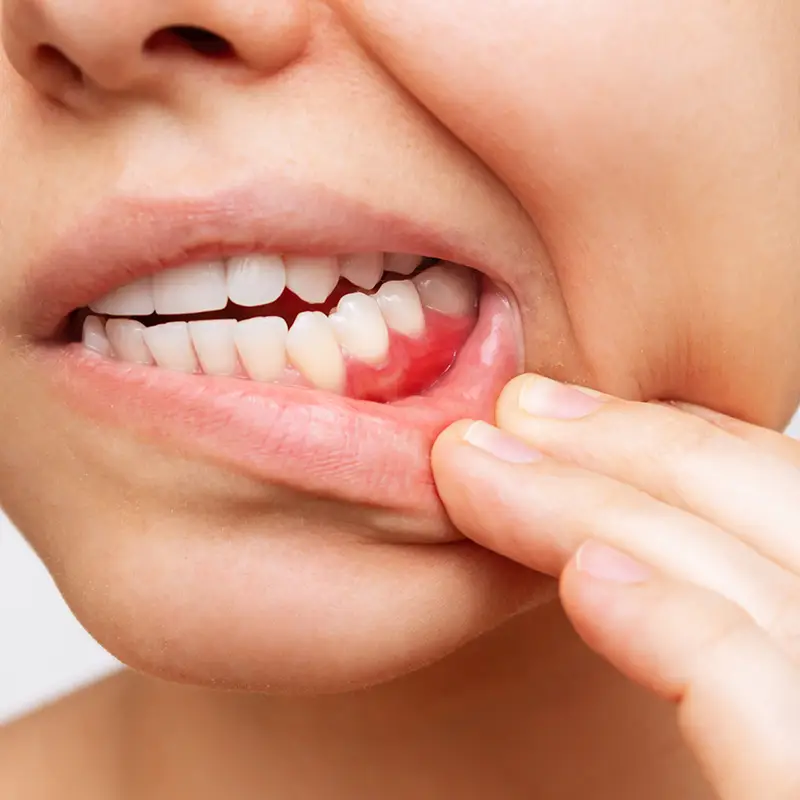
Common signs and symptoms of periodontal disease include red, swollen, or tender gums; bleeding gums during brushing or flossing; persistent bad breath; receding gums; loose or shifting teeth; and changes to the way teeth fit together when biting.
How is Periodontal Disease Diagnosed?
Periodontal disease is diagnosed through a comprehensive dental examination, which may include visual assessment of the gums, measurement of gum pocket depths using a periodontal probe, dental X-rays, and assessment of other factors such as gum bleeding and tooth mobility.
What are the stages of Periodontal Disease?
Periodontal disease progresses through different stages, including gingivitis (early stage characterized by inflammation of the gums) and periodontitis (advanced stage characterized by bone loss, tooth mobility, and premature tooth loss). Gingivitis is reversible with proper hygiene, while periodontitis requires professional treatment.
How is Periodontal Disease treated?
Treatment of periodontal disease depends on the severity of the condition. Mild cases of gum disease (gingivitis) may be treated with professional dental cleanings and improved oral hygiene practices at home. Advanced cases (periodontitis) may require scaling and root planning, antibiotic therapy, gum surgery, laser therapy and other interventions.
Can Periodontal Disease be prevented?
Yes, periodontal disease can be prevented with good oral hygiene habits, including brushing teeth twice a day, flossing daily, using antibacterial mouthwash, and attending regular dental check-ups and cleanings. Avoiding tobacco use, maintaining a balanced diet, and managing underlying medical conditions can also help reduce the risk of gum disease.
What happens if Periodontal Disease is left untreated?
If left untreated periodontal disease can lead to serious complications such as tooth loss, gum recession, bone loss, and systemic health problems. Research has linked untreated gum disease to an increased risk of conditions such as heart disease, diabetes, respiratory infections, stroke, pregnancy complications and rheumatoid arthritis.
Scaling & Root Planing
For patients with early to moderate gum disease (gingivitis or mild periodontitis), scaling and root planning is a non-surgical deep cleaning procedure that removes plaque, tartar, and bacteria from the tooth surfaces and root surfaces below the gumline. This treatment helps to eliminate infection and promote gum healing.
FAQ’s Scaling & Root Planing
What is scaling and root planing?
Scaling and root planing is a non-surgical deep cleaning procedure performed by a dental professional to treat periodontal disease. It involves the removal of plaque tartar and bacterial toxins from the surfaces of the teeth and root surfaces below the gum line.
Why is scaling and root planing necessary?
Scaling and root planing is necessary to remove tartar build up that cannot be effectively removed with regular brushing or flossing. It helps to eliminate bacteria and toxins from below the gumline, reducing inflammation and promoting healing of the gum tissues.
How is scaling and root planing performed?
Scaling and root planing is typically performed using specialized dental instruments, including ultrasonic scalers and hand scalers. The procedure may be performed under local anesthesia to ensure patient comfort. The dental professional carefully removes plaque, tartar, and bacteria from the surfaces of the teeth and root surfaces below the gumline.
Is scaling and root planing painful?
Scaling and root planing may cause some discomfort or sensitivity, especially if the gums are inflamed. However, local anesthesia and or topical anesthetic gel is often used to numb the gums and minimize any discomfort during the procedure.
How long does scaling and root planing take?
The duration of scaling and root planning depends on the extent of plaque and tartar build-up, the severity of gum disease, and the number of teeth and surfaces that require cleaning. The procedure typically takes one to two hours for a full mouth treatment to complete and may be completed over multiple visits.
What are the benefits of scaling and root planing?
Scaling and root planing helps to remove bacterial plaque and tartar, reduce inflammation, prevent further progression of gum disease, and promote gum healing. It can also improve the overall health of the gums and reduce the risk of tooth loss. In addition, a healthy mouth leads to overall better systemic health.
Is scaling and root planing covered by dental insurance?
Many dental insurance plans cover scaling and root planing as either a preventative or periodontal therapy procedure. However, coverage may vary depending on the individual’s insurance plan and policy. It’s recommended to check with your dental insurance provider to determine coverage eligibility and any out -of-pocket expenses.
How often is scaling and root planing needed?
The frequency of scaling and root planing depends on the individual’s oral health status, the severity of gum disease, and other factors. For most patients with periodontal disease, scaling and root planing may be recommended every three to six months as part of ongoing periodontal therapy.
Arestin Antibiotic Therapy
Arestin is a locally applied antibiotic treatment used in conjunction with scaling and root planning to target and eliminate bacteria within periodontal pockets. This antibiotic therapy helps to reduce inflammation and promote healing of the gum tissues.
FAQ’s Arestin
What is Arestin?
Arestin is a locally applied antibiotic therapy used in the treatment of periodontal disease. It is a power containing the antibiotic minocycline, which is placed directly into the periodontal pockets after scaling and root planning (deep cleaning) procedures.
How does Arestin work?
Arestin works by releasing minocycline, a broad- spectrum antibiotic, directly into the periodontal pockets where bacteria are present. This targeted antibiotic therapy helps to kill bacteria associated with periodontal disease and reduce inflammation within the gum tissues.
When is Arestin recommended?
Arestin is typically recommended as an adjunctive treatment for patients with periodontal disease, particularly in cases where there is persistent and recurring infection despite initial scaling and root planning procedures. It is often used in conjunction with other periodontal therapies to enhance treatment outcomes.
How is Arestin applied?
Arestin is applied directly into the periodontal pockets by Dr. Homayoon or Dr. Van Winkle during your dental visit. After scaling and root planning your gum tissue is gently dried, and the Arestin powder is placed using a special applicator. The powder adheres to the gum tissue and gradually releases the antibiotic over time.
Is Arestin painful?
Arestin placement is typically well tolerated by patients and is not considered painful. Some patients experience mild discomfort or sensitivity at the treatment site, which usually subsides after a few days.
How long does Arestin stay in the periodontal pockets?
Arestin remains active in the periodontal pockets for approximately 14 days after placement. During this time, it gradually releases minocycline to target and eliminate bacteria associated with periodontal disease.
What are the benefits of Arestin?
Arestin offers several benefits in the treatment of periodontal disease, including targeted antibiotic therapy, reduced pocket depths, improved gum health, and enhanced treatment outcomes when used in conjunction with scaling and root planning procedures.
Are there any side effects or contraindications associated with Arestin treatment?
While Arestin is generally well tolerated, some patients may experience mild side effects such as temporary gum irritation, sensitivity, or altered taste sensation. Arestin is contraindicated in patients with known allergies to tetracycline-class antibiotics or minocycline.
Bacterial Reduction within Periodontal Pockets with Diode Laser
Diode laser therapy is a minimally invasive treatment used to reduce bacteria and inflammation within periodontal pockets. The laser energy targets and kills bacteria while promoting tissue regeneration and gum healing. This treatment can help improve periodontal health and reduce pocket depths in patients with gum disease.