
Digital Dental Radiographs
South Shore Dental Arts proudly offers state- of -the -art digital dental radiographs, a cutting edge technology revolutionizing patient care in dentistry. Unlike traditional x-rays, digital radiographs utilize advanced digital sensors to capture highly detailed images of the teeth, bone, and surrounding structures with unparalleled clarity and precision.
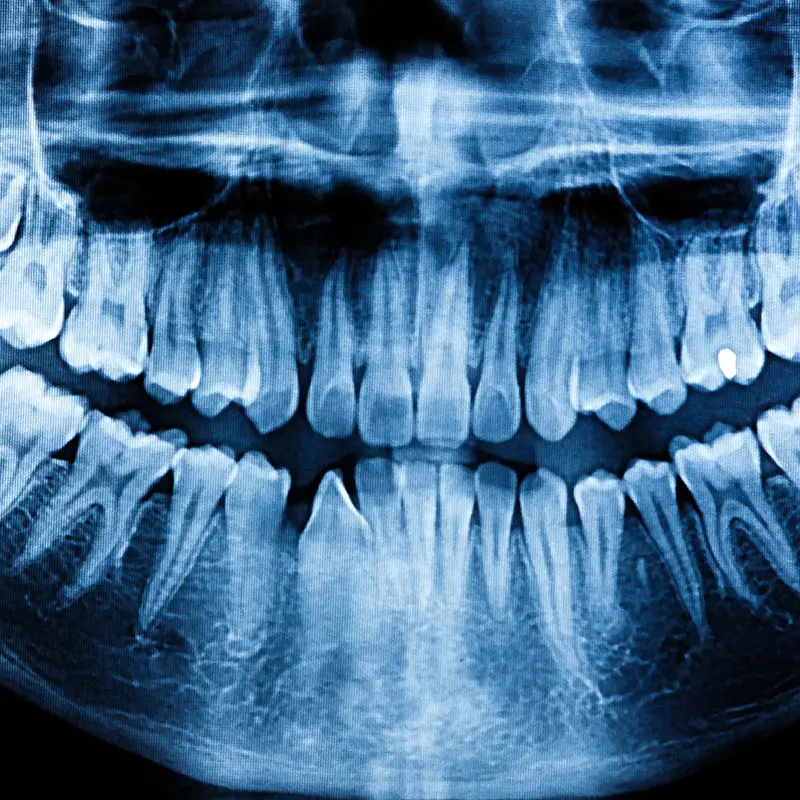
Digital Dental X-Rays:
One of the primary advantages of digital radiography is its remarkable efficiency and speed. Gone are the days of waiting for film to develop in a darkroom; digital images are available instantaneously on a computer screen, allowing Dr. Van Winkle and Dr. Homayoon to swiftly assess and diagnose dental conditions. This not only streamlines the diagnostic process but also enhances patient exposure to radiation.
Digital dental radiographs significantly reduce radiation exposure compared to conventional x-rays. The digital sensors used in this technology require up to 80% less radiation to produce images of comparable quality, prioritizing patient safety without compromising diagnostic accuracy.
Additionally, digital radiography offers unparalleled versatility and convenience. These digital images can be stored, archived, and retrieved for future reference, facilitating seamless communication with other healthcare providers and specialists when necessary. Furthermore, digital images can be magnified, enhanced, and manipulated to provide a comprehensive view of dental structures, aiding in precise treatment planning execution.
The transition to digital dental radiographs represents a significant advancement in dental care, offering superior diagnostic capabilities, reduced radiation exposure, and enhanced patient comfort. South Shore Dental Arts commitment to utilizing this state-of-the-art technology underscores our dedication to providing the highest quality of care to our patients.
FAQ’s Digital Dental X-Rays:
What are digital dental x-rays?
Digital dental radiographs are advanced imaging techniques used in dentistry to capture detailed images of the teeth, bone and surrounding structures using a digital sensor in place of traditional x-ray film.
How are digital dental radiographs different from traditional x-rays?
Unlike traditional x-rays, which use film to capture images and require chemical processing, digital dental radiographs utilize digital sensors to produce instant, high-quality images that can be viewed on a computer screen. Digital radiography also reduces radiation exposure and offers enhanced diagnostic capabilities.
Are digital dental radiographs safe?
Yes, digital radiographs are safe. They use significantly less radiation compared to traditional x rays, making them a safer option for patients.
Do digital dental radiographs offer better image quality?
Yes, digital dental radiographs provide superior image quality compared to traditional x -rays. The digital sensors used in digital radiography produce highly detailed images that can be magnified, enhanced, and manipulated for better visualization of dental structures, aiding in more accurate diagnoses and treatment planning.
Can digital dental radiographs be shared with other healthcare providers?
Yes, digital dental x-rays can be easily shared with other healthcare providers. The digital images can be stored electronically and transmitted securely, facilitating communication between dentists, specialists, and other members of the healthcare team as needed.
Are there any additional benefits of digital dental radiographs?
Yes, digital dental radiographs offer several additional benefits, including reduced environmental impact due to the elimination of film and the chemicals used to process them. They also enhance workflow efficiency for dental practices, and the ability to store and retrieve images electronically for future reference.