
Complete Dentures, Partial Dentures, Overdentures
Dentures
Overall, complete dentures, partial dentures, and overdentures are valuable options for restoring oral function, esthetics, and confidence in patients with missing teeth. The choice between these types of dentures depends on factors such as the extent of tooth loss, the condition of remaining natural teeth, and patient preferences.
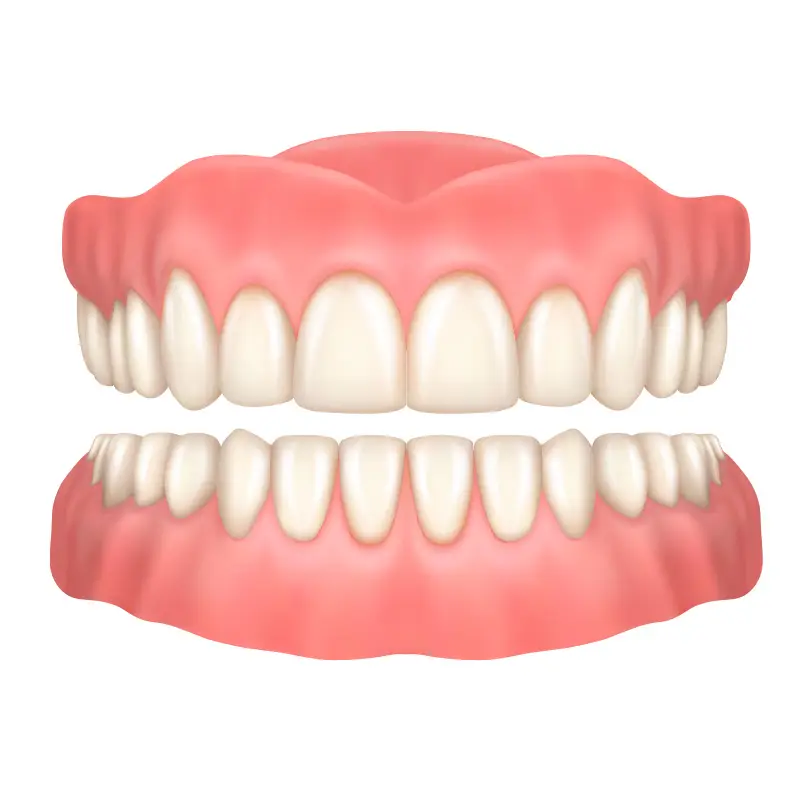
Complete Dentures
Complete dentures, also known as full dentures, are removable prosthetic devices used to replace all of the teeth in one or both dental arches (upper or lower). They are typically made of acrylic resin and designed to closely resemble natural gum tissue and teeth. Complete dentures are commonly used when all teeth in a dental arch are missing or require extraction due to severe decay, disease, or trauma. The process of getting complete dentures involves several steps, including impressions, measurements, and fittings or adjustments to ensure proper fit, function, and aesthetics. Complete dentures rely on suction and the support of the underlying gum tissue for retention and stability. The use of denture adhesive can help with retention of complete dentures. You may need some time to adjust to wearing complete dentures and may require periodic adjustments for comfort and fit.
FAQ’s Complete Dentures
What are complete dentures?
Complete dentures replace all teeth in one or both dental arches. They consist of a tissue-colored acrylic base with artificial teeth attached.
How do I know if I need complete dentures?
Complete dentures are typically recommended for individuals who have lost all or most of their teeth due to decay, gum disease, or trauma.
Will complete dentures affect my ability to eat and speak?
Initially, complete dentures may affect eating and speaking, but most patients adapt over time. It may help to start with soft foods and practice speaking aloud.
How long does it take to get used to wearing complete dentures?
It varies from person to person, but most patients adjust to wearing complete dentures within a few weeks to a few months.
Can I sleep with my complete dentures in?
It’s generally recommended to remove dentures at night to give the gums and jawbone a chance to rest. Sleeping without dentures also reduces the risk of oral health issues.
Partial Dentures
Partial dentures are removable prosthetic devices used to replace one or more missing teeth in a dental arch while preserving the remaining natural teeth. They consist of replacement teeth attached to a metal or acrylic framework that clasps onto adjacent natural teeth for support and retention. Partial dentures are recommended when some natural teeth are present and in good condition, but there are also missing teeth that need replacement. Like complete dentures, the process of getting partial dentures involves impressions, measurements, and fittings to ensure a comfortable and functional fit. Partial dentures help restore chewing function, improve esthetics, and prevent the remaining natural teeth from shifting out of alignment.
FAQ’s Partial Dentures
What are partial dentures?
Partial dentures replace one or more missing teeth while preserving remaining natural teeth. They are usually made of acrylic or metal with artificial teeth attached.
How do partial dentures differ from bridges or implants?
Partial dentures are removable, while bridges are fixed prosthetics that anchor to adjacent teeth, and implants are surgically placed into the jawbone.
Will people be able to tell that I'm wearing partial dentures?
Well-made partial dentures are designed to blend in with natural teeth. However, they may be visible when smiling or speaking up close.
Can I eat normally with partial dentures?
Partial dentures may require some adjustment, but most patients can eat a wide variety of foods comfortably after getting used to them.
Are partial dentures uncomfortable?
Partial dentures should not be uncomfortable when properly fitted. However, adjustments may be needed if they cause discomfort or irritation.
Overdentures
Overdentures are a type of removable denture that fits over a few remaining natural teeth or dental implants. They offer better stability, retention, and comfort compared to conventional complete dentures because they rely on the support of the remaining natural teeth or implants. Overdentures can be used in cases where some natural teeth are healthy and can be preserved or when dental implants are placed to provide additional support and stability. By retaining natural teeth or implants, overdentures help preserve bone density in the jaw and provide a more natural chewing sensation. The process of getting overdentures involves preparing the remaining natural teeth or placing dental implants, taking impressions, and fabricating the overdenture to fit securely over the supporting structures.
FAQ’s Overdentures
What are overdentures?
Overdentures are removable prosthetic devices that fit over retained natural teeth or dental implants. They offer better stability and retention compared to traditional dentures.
How do overdentures differ from conventional dentures?
Overdentures utilize remaining natural teeth or implants for support, providing improved stability and chewing function compared to conventional dentures, which rely solely on gum tissue for support.
Are overdentures more stable than traditional dentures?
Yes, overdentures are generally more stable because they have additional support from natural teeth or implants, reducing the risk of slippage or discomfort.
Do I need to have dental implants to get overdentures?
While dental implants can provide excellent support for overdentures, they can also be made to fit over retained natural teeth, offering an alternative option for stability.
Can overdentures be removed for cleaning?
Yes, overdentures are removable and should be taken out for cleaning and maintenance, similar to traditional dentures.
FAQ’s Maintenance & Cost
How should I clean my dentures?
Dentures should be cleaned daily with a denture brush and mild soap or denture cleaner. Avoid using abrasive materials or toothpaste, as they can damage the denture surface.
Can I use regular toothpaste to clean my dentures?
Regular toothpaste is not recommended for denture cleaning, as it may be too abrasive and can scratch the denture surface. Use a denture cleaner specifically designed for this purpose.
Do I need to remove my dentures at night?
It’s generally recommended to remove dentures at night to give the gums and jawbone a chance to rest and prevent oral health issues such as gum irritation and infection.
How often should I have my dentures checked by a dentist?
Regular dental check-ups are essential for denture wearers to ensure proper fit, function, and oral health. Your dentist will recommend how often you should come in for check-ups.
What should I do if my dentures feel loose or uncomfortable?
If your dentures feel loose or uncomfortable, contact your dentist for an evaluation. Adjustments or relining may be needed to improve the fit and comfort of your dentures.
How much do dentures cost?
The cost of dentures varies depending on factors such as the type of denture, materials used, and any additional procedures required (such as implant placement for overdentures). Dr. Homayoon has had 3 additional years of specialty training in prosthodontics and can provide a cost estimate based on your specific needs.
Does dental insurance cover the cost of dentures?
Dental insurance may cover a portion of the cost of dentures, but coverage varies depending on your insurance plan. Check with your insurance provider to understand your coverage.
Are there financing options available for dentures?
Our office offers CareCredit as an outside financing option to help make dentures more affordable for patients.
Are there any additional costs associated with dentures, such as adjustments or repairs?
Additional costs may include adjustments, relining, repairs, or replacement of dentures over time. We can provide information on potential additional costs and maintenance requirements.