
Comprehensive Exam
At South Shore Dental Arts Dr. Homayoon and Dr. Van Winkle offer a comprehensive approach to your dental exam. Dr. Homayoon or Dr. Van Winkle will conduct your comprehensive exam during your first office visit in our comfortable, private office setting. We prioritize individualized care and see one patient at a time to ensure a personalized experience.
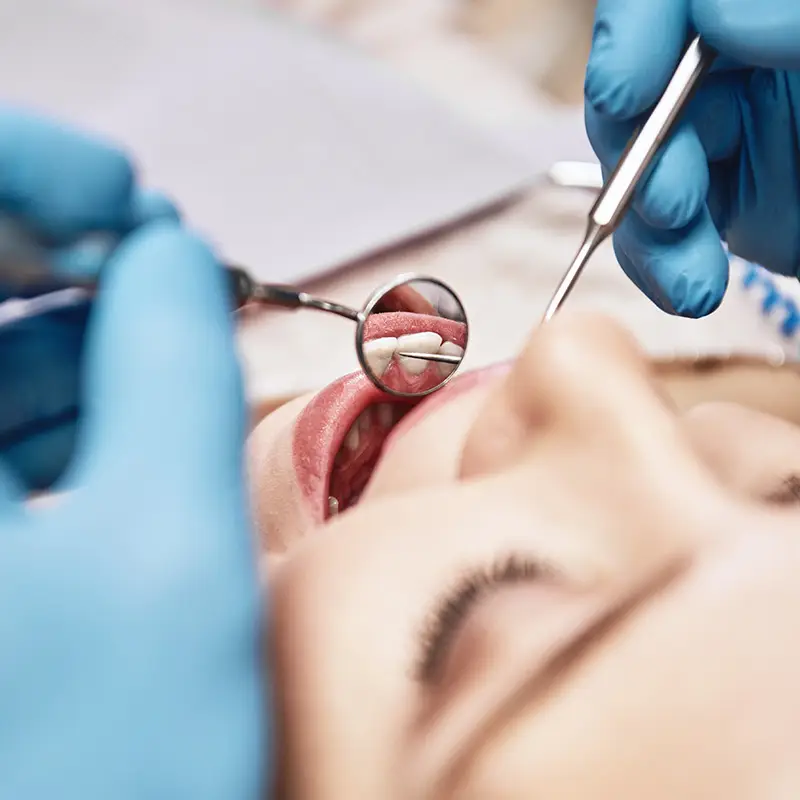
Your dental exam will include a review of your medical and dental history, digital dental radiographs, charting of existing dental restorations, missing teeth and areas of concern, a periodontal exam, TMJ (Temporomandibular Joint) evaluation, oral cancer screening and intraoral and/or extraoral photographs as needed. In certain instances, we opt to conduct an intraoral scan of the patient’s entire dentition with our Itero scanner to address any issues related to their bite or tooth spacing.
FAQ’s Periodontal Charting
What is Periodontal Charting, and why is it performed during a dental exam?
Periodontal charting is a detailed assessment of the health of the gum, bone and supporting structures of the teeth. It involves measuring the depth of gum pockets in six areas around each tooth and evaluating other indicators of gum health. We also measure areas where the gum may have receded and note areas of bleeding. It is performed to diagnose and monitor gum disease.
How is Periodontal Charting performed?
Periodontal charting is performed using a periodontal probe, which is a thin instrument with markings in millimeters. The probe is gently inserted into the space between the gums and the teeth to measure gum pockets.
What do the measurements in Periodontal Charting represent?
The measurements in periodontal charting represent the depth of the pocket around each tooth. Healthy gums typically have pocket depths of 1-3 millimeters, while deeper pockets may indicate gum disease.
Why is it important to monitor gum pocket depths?
Monitoring gum pocket depths is important because deeper pockets may indicate the presence of gum disease, which can lead to bone loss, gum recession, tooth mobility and premature tooth loss if left untreated. Regular monitoring allows for early detection and intervention to prevent further damage.
How often is Periodontal Charting performed?
Periodontal charting is performed as part of a comprehensive adult dental exam at South Shore Dental Arts. For most patients the periodontal charting is updated yearly.
What treatment options are available if gum disease is detected during Periodontal Charting?
Treatment options for gum disease include scaling and root planning, antibiotic therapy, laser treatment, surgical intervention and in some cases may lead to referral to a gum specialist (periodontist). The specific treatment plan will depend on the severity of the gum disease and individual patient factors.
FAQ’s TMJ Evaluation
What is a TMJ evaluation, and why is it performed during a dental exam?
A TMJ evaluation is an assessment of the temporomandibular joint, which connects the jawbone to the skull and facilitates jaw movement. It is performed to evaluate the health and function of the TMJ and detect signs of TMJ disorders.
How is the TMJ evaluation performed?
A TMJ evaluation typically involves a combination of visual examination, palpation of the jaw joint and surrounding muscles, and assessment of jaw movement. Your dentist may ask you to open and close your mouth, move your jaw from side to side, and perform other movements to assess the range of motion and any abnormalities.
What are the signs and symptoms of TMJ disorders that may be identified during the evaluation?
Signs and symptoms of TMJ disorders may include jaw pain or tenderness, clicking or popping sounds when opening or closing the mouth, difficulty chewing or biting, jaw stiffness, and locking of the jaw in open or closed positions.
Why is it important to evaluate the TMJ?
Evaluating the TMJ is important because TMJ disorders can cause significant discomfort and affect jaw function, leading to difficulties with eating, speaking, and performing daily activities. Early detection and intervention can help prevent further complications and improve quality of life.
What treatment options are available if issues with the TMJ are detected during the evaluation?
Treatment options for TMJ disorders may include conservative measures such as lifestyle modifications, jaw exercises, physical therapy, and pain management techniques. In more severe cases, Dr. Van Winkle and Dr. Homayoon may recommend occlusal splints, orthodontic treatment, or in rare cases, surgical intervention.
How can patients manage TMJ-related symptoms between dental visits?
Patients can manage TMJ related symptoms by practicing relaxation techniques, avoiding excessive jaw movements such as chewing gum or bagels. Wearing a custom occlusal nightguard is particularly helpful for many patients as it aids in evenly distributing forces, thereby reducing jaw joint pain. During the first 24-48 hours apply ice packs to the affected joint to reduce swelling. After that time, use heat to increase circulation which will promote healing and reduce swelling.
FAQ’s Oral Cancer Screening
What is oral cancer screening, and why is it important?
Oral cancer screening is a visual and tactile examination of the oral cavity and surrounding tissues to detect any signs or symptoms of oral cancer. It is important because early detection significantly increases the chances of successful treatment and greatly improves outcomes.
How is oral cancer screening performed?
Oral cancer screening is performed by Dr. Van Winkle and Dr. Homayoon during your routine dental checkups, which is generally every 6 months. We will visually inspect the lips, gums, tongue, palate, throat, and other oral tissues for any abnormalities or lesions. We also palpate the neck checking for lymph nodes for any swelling or tenderness.
What are the signs and symptoms of oral cancer that may be identified during screening?
Signs and symptoms of oral cancer may include persistent mouth sores, red or white patches in the mouth, lumps or thickening of the oral tissues, difficulty swallowing or chewing, numbness or pain in the mouth or throat, and changes in voice quality.
Who is at risk for oral cancer, and should undergo screening?
Individuals at increased risk for oral cancer include those who use tobacco products (cigarettes, cigars, smokeless tobacco), consume alcohol excessively, have a history of oral cancer or precancerous lesions, or have a family history of oral cancer. Some cancers, such as HPV, can also be sexually transmitted. However, oral cancer can also occur in individuals with no known risk factors, so regular screening is recommended for everyone.
Is oral cancer screening painful or uncomfortable?
Oral cancer screening is painless and non-invasive. Dr. Van Winkle and Dr. Homayoon will gently examine the oral tissues and will use gauze to inspect the sides, underneath your tongue and complete a visual inspection of the oral cavity.
What happens if abnormalities are detected during an oral cancer screening?
If abnormalities or suspicious lesions are detected during an oral cancer screening, Dr. Van Winkle and/or Dr. Homayoon may recommend further diagnostic tests, such as: a brush biopsy or tissue sample, to determine the nature of the abnormality. Depending on the findings, a referral to a specialist for further evaluation and treatment may be necessary.
Brush Biopsy
Brush biopsy, also known as oral brush biopsy or cytobrush biopsy, is a minimally invasive diagnostic procedure used to detect abnormal cells in the oral cavity that may indicate oral cancer or precancerous conditions. Here’s a discussion of brush biopsies as a service provided by South Shore Dental Arts.
FAQ’s Brush Biopsy
What is a brush biopsy?
A brush biopsy is a diagnostic procedure used to collect cells from suspicious lesions or areas in the oral cavity using a small brush-like instrument. The collected cells are then examined under a microscope to detect any abnormalities.
Why is a brush biopsy performed?
A brush biopsy is performed to detect abnormal cells that may indicate oral cancer, precancerous conditions, or other oral pathologies. It helps in early detection and diagnosis, allowing for timely intervention and treatment.
How is a brush biopsy performed in your dental office?
During a brush biopsy procedure, Dr. Van Winkle or Dr. Homayoon will gently scrape the surface of the suspicious lesion or area using a cytobrush or similar instrument. The collected cells are then transferred onto a glass slide or preservation solution for further analysis by a laboratory.
Is a brush biopsy painful?
A brush biopsy is a minimally invasive procedure and is usually well-tolerated by patients. While some patients may experience mild discomfort or a sensation of pressure during the procedure, it is generally not painful. Dr. Van Winkle or Dr. Homayoon may use a local anesthetic if needed to minimize any discomfort.
How long does it take to get results from a brush biopsy?
The turnaround time for brush biopsy results may vary depending on the laboratory where the samples are analyzed. In some cases, preliminary results may be available within a few days, while final pathology reports may take a week or more.
What happens if abnormal cells are detected with a brush biopsy?
If abnormal cells are detected with a brush biopsy, further diagnostic tests or procedures may be recommended to confirm the diagnosis and determine the extent of the condition. Treatment options will be discussed based on the findings, and a referral to an oral surgeon would be made.
Who can benefit from a brush biopsy?
Brush biopsy may be recommended for individuals with suspicious oral lesions, including white or red patches, non-healing ulcers, or other abnormal growths in the oral cavity. It is particularly beneficial for early detection and diagnosis of oral cancer and precancerous conditions.