
Bruxism Splints (Occlusal Night Guards):
Mouth Guards
Overall, bruxism splints are valuable dental appliances that provide protection against the damaging effects of teeth grinding or clenching. They help preserve the integrity of the teeth and jaws and alleviate symptoms associated with bruxism, such as jaw pain, headaches, and tooth sensitivity.
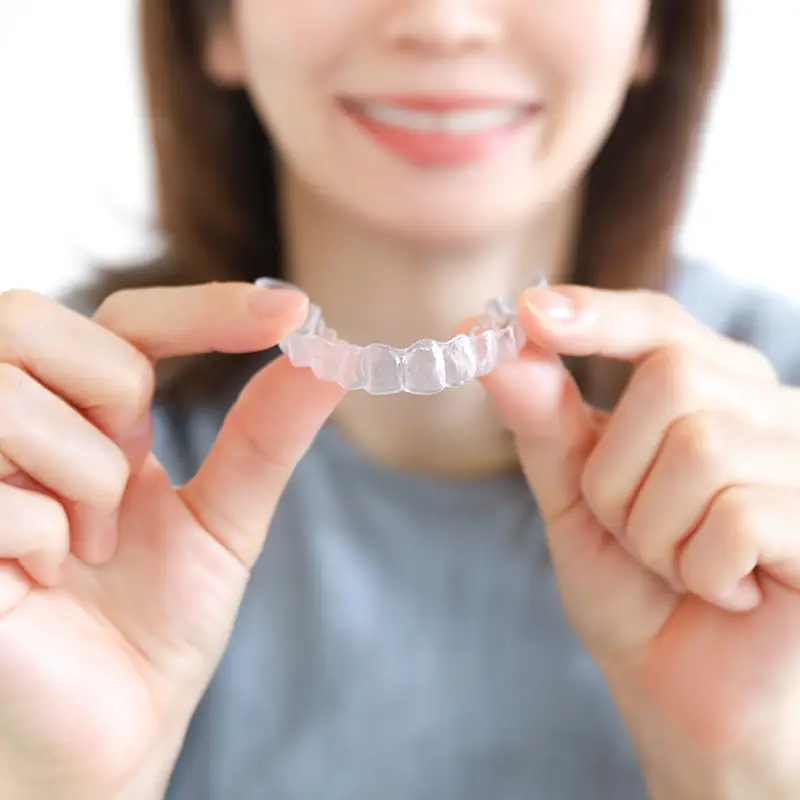
Occlusal Night Guards
Bruxism splints, also known as occlusal splints, night guards, or bite guards, are dental appliances designed to protect the teeth and jaws from the harmful effects of teeth grinding or clenching, a condition known as bruxism. Here’s a description of bruxism splints and how they work:
- Design: Bruxism splints are typically made of hard acrylic material and are custom-fitted to the individual’s mouth. They are worn over the teeth, either on the upper or lower arch, and are designed to create a barrier between the upper and lower teeth to prevent them from coming into direct contact during grinding or clenching.
- Function: The primary function of bruxism splints is to protect the teeth from damage caused by bruxism. Grinding or clenching can wear down the enamel, leading to tooth sensitivity, chips, fractures, and other dental problems. By providing a protective barrier, bruxism splints help distribute the forces generated during grinding or clenching and prevent excessive wear on the teeth.
- Usage: Bruxism splints are typically worn at night while sleeping, as bruxism often occurs during sleep and is unconscious. However, some individuals may also grind or clench their teeth during the day and may benefit from wearing a splint during waking hours. Dr. Homayoon or Dr. Van Winkle will provide specific instructions on when and how long to wear the splint based on the patient’s needs.
- Customization: Bruxism splints are custom-made to fit the individual’s mouth comfortably and securely. The process involves taking impressions (molds) of the patient’s teeth, which are used to fabricate the splint. Customization ensures a proper fit and maximizes comfort and effectiveness.
- Maintenance: Proper care and maintenance of bruxism splints are essential to ensure their effectiveness and longevity. They should be cleaned daily using a soft toothbrush and mild soap or denture cleaner and rinsed thoroughly with water. Additionally, they should be stored in a clean, dry container when not in use to prevent bacterial growth and damage.
- Monitoring: Individuals who wear bruxism splints should have regular follow-up appointments in our office to monitor their oral health and the condition of the splint. Adjustments or replacement may be necessary over time to maintain effectiveness and comfort.
FAQ’s Occlusal Night Guards
What are bruxism splints or night guards?
Bruxism splints, also known as night guards or occlusal splints, are dental appliances designed to protect the teeth and jaws from the harmful effects of teeth grinding or clenching, a condition known as bruxism. They are worn over the teeth to create a protective barrier and prevent damage caused by bruxism.
Who needs a bruxism splint or night guard?
Bruxism splints are recommended for individuals who suffer from bruxism, which can lead to tooth wear, jaw pain, headaches, and other dental problems. They are commonly prescribed for patients who grind or clench their teeth or certain TMJ issues.
How do bruxism splints or night guards work?
Bruxism splints work by providing a cushioning barrier between the upper and lower teeth, preventing them from coming into direct contact during grinding or clenching. This helps distribute the forces generated during bruxism and protects the teeth from wear and damage.
Are bruxism splints or night guards comfortable to wear?
Bruxism splints are custom-made to fit the individual’s mouth comfortably and securely. While there may be an adjustment period initially, most patients find them to be comfortable to wear once they become accustomed to them.
How long do I need to wear a bruxism splint or night guard?
The duration of wear depends on the severity of the bruxism and the individual’s specific needs. In most cases, bruxism splints are worn at night while sleeping, as bruxism often occurs during sleep. However, some individuals may benefit from wearing the splint during waking hours as well.
How are bruxism splints or night guards cleaned and maintained?
Bruxism splints should be cleaned daily using a soft toothbrush and mild soap or denture cleaner. They should be rinsed thoroughly with water after each use and stored in a clean, dry container when not in use. Additionally, they should be inspected regularly for signs of wear or damage, and replaced as needed.
Can bruxism splints or night guards be used for children?
Bruxism splints can be used for children who grind or clench their teeth, but they should be custom-made to fit the child’s mouth properly.
Will wearing a bruxism splint or night guard stop teeth grinding or clenching?
While bruxism splints can help protect the teeth from damage caused by grinding or clenching, they may not necessarily stop the habit altogether. However, they can reduce the intensity of grinding or clenching and alleviate associated symptoms such as jaw pain and headaches.